
Understanding Cleaning vs. Disinfection
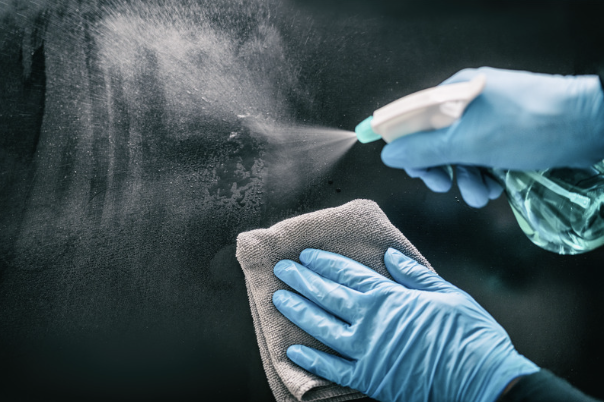
Many confuse cleaning with disinfection. Professional services understand the critical difference: cleaning removes visible soil and some microorganisms, disinfection kills specific disease-causing pathogens, sanitization reduces bacteria to safe levels, and sterilization eliminates all microorganisms.
EPA-Registered Disinfectants
Professional disinfection services use EPA-registered products proven effective against specific pathogens including viruses like influenza, norovirus, and coronaviruses, bacteria including E. coli, Salmonella, and MRSA, fungi and mold spores, and multi-drug resistant organisms.
Electrostatic Disinfection Technology
Modern disinfection employs advanced technology for superior coverage. Electrostatic sprayers charge disinfectant particles that wrap around and coat surfaces, reach difficult areas traditional methods miss, provide consistent coverage with less product, and significantly reduce application time.
High-Touch Surface Protocols
Certain surfaces require frequent disinfection in commercial settings including door handles and push plates, light switches and elevator buttons, handrails and stair railings, shared equipment and tools, desks, countertops, and tables, and phones, keyboards, and shared electronics.
Industry-Specific Disinfection Requirements
Different industries face different pathogen risks. Professional services customize disinfection for healthcare facilities with patient protection needs, food service establishments with foodborne illness prevention, schools with illness transmission reduction, gyms with equipment-sharing risks, and offices with cold and flu season protection.
Frequency Recommendations
Disinfection frequency depends on facility type and risk level. Professional services recommend daily disinfection for high-risk environments like healthcare, multiple times daily for high-touch surfaces in all facilities, weekly complete facility disinfection for moderate-risk spaces, monthly deep disinfection for low-risk areas, and immediate outbreak response when needed.
Outbreak Response Disinfection
Disease outbreaks require immediate intensive disinfection through complete facility disinfection using appropriate pathogens, increased frequency during outbreak periods, targeted treatment of contamination sources, and coordination with health authorities when required.
Documentation and Compliance
Many industries require disinfection documentation. Professional services provide date and time-stamped service records, product labels and safety data sheets, training certificates for application staff, and compliance support for regulatory inspections.
Safe Application Practices
Professional disinfection requires expertise for safe, effective application through proper product dilution and contact times, appropriate PPE for application staff, ventilation considerations during application, safe occupancy timing after treatment, and proper disposal of materials.
Protect Your Most Important Asset
Your employees and customers are your most valuable assets. Professional disinfection services protect their health while demonstrating your commitment to safety. In a health-conscious world, professional disinfection isn't optional—it's essential for business success and reputation. Our crews disinfect offices, clinics, and shared facilities throughout Birmingham and Hoover.
Many confuse cleaning with disinfection. Professional services understand the critical difference: cleaning removes visible soil and some microorganisms, disinfection kills specific disease-causing pathogens, sanitization reduces bacteria to safe levels, and sterilization eliminates all microorganisms.
EPA-Registered Disinfectants
Professional disinfection services use EPA-registered products proven effective against specific pathogens including viruses like influenza, norovirus, and coronaviruses, bacteria including E. coli, Salmonella, and MRSA, fungi and mold spores, and multi-drug resistant organisms.
Electrostatic Disinfection Technology
Modern disinfection employs advanced technology for superior coverage. Electrostatic sprayers charge disinfectant particles that wrap around and coat surfaces, reach difficult areas traditional methods miss, provide consistent coverage with less product, and significantly reduce application time.
High-Touch Surface Protocols
Certain surfaces require frequent disinfection in commercial settings including door handles and push plates, light switches and elevator buttons, handrails and stair railings, shared equipment and tools, desks, countertops, and tables, and phones, keyboards, and shared electronics.
Industry-Specific Disinfection Requirements
Different industries face different pathogen risks. Professional services customize disinfection for healthcare facilities with patient protection needs, food service establishments with foodborne illness prevention, schools with illness transmission reduction, gyms with equipment-sharing risks, and offices with cold and flu season protection.
Frequency Recommendations
Disinfection frequency depends on facility type and risk level. Professional services recommend daily disinfection for high-risk environments like healthcare, multiple times daily for high-touch surfaces in all facilities, weekly complete facility disinfection for moderate-risk spaces, monthly deep disinfection for low-risk areas, and immediate outbreak response when needed.
Outbreak Response Disinfection
Disease outbreaks require immediate intensive disinfection through complete facility disinfection using appropriate pathogens, increased frequency during outbreak periods, targeted treatment of contamination sources, and coordination with health authorities when required.
Documentation and Compliance
Many industries require disinfection documentation. Professional services provide date and time-stamped service records, product labels and safety data sheets, training certificates for application staff, and compliance support for regulatory inspections.
Safe Application Practices
Professional disinfection requires expertise for safe, effective application through proper product dilution and contact times, appropriate PPE for application staff, ventilation considerations during application, safe occupancy timing after treatment, and proper disposal of materials.
Protect Your Most Important Asset
Your employees and customers are your most valuable assets. Professional disinfection services protect their health while demonstrating your commitment to safety. In a health-conscious world, professional disinfection isn't optional—it's essential for business success and reputation. Our crews disinfect offices, clinics, and shared facilities throughout Birmingham and Hoover.